Offline reputation was strong, but the website undercut credibility and conversion. Messaging was generic, service pages were thin, and key trust signals – credentials, case proof, and compliance – were buried. Mobile speed dragged, forms were long and unclear, and CTAs competed on smaller screens, driving drop-offs before contact. Local SEO was shallow, leaving high-intent searches in target areas to competitors. With limited tracking, the team couldn’t see where prospects abandoned the journey or which channels actually produced profitable clients, resulting in an unpredictable pipeline.
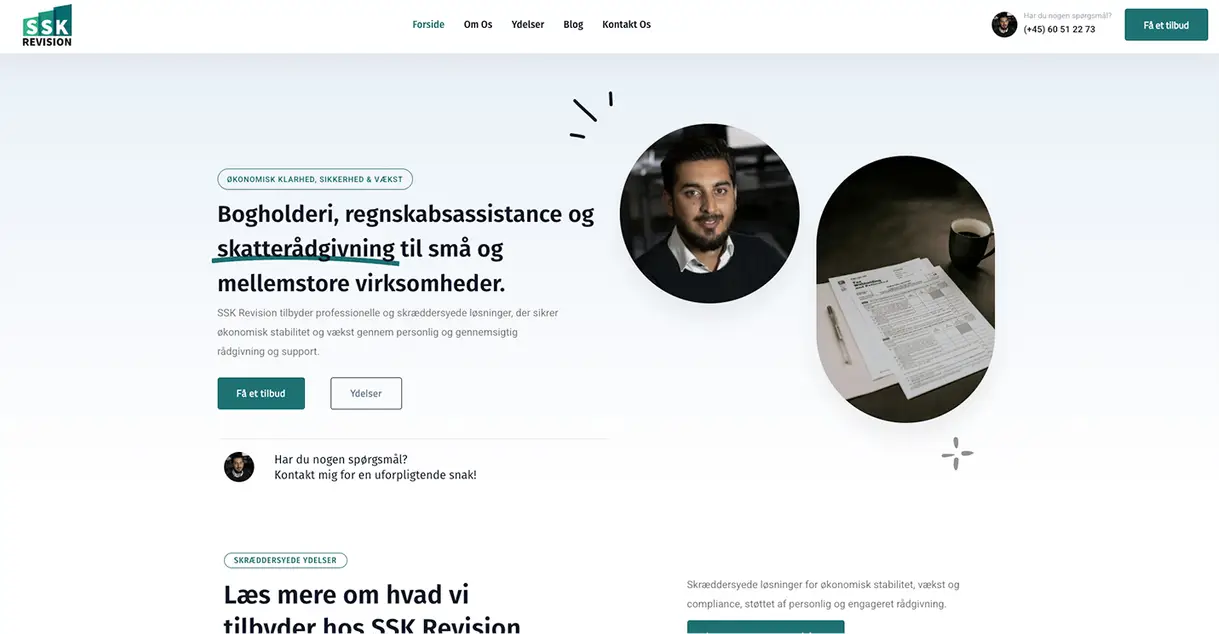
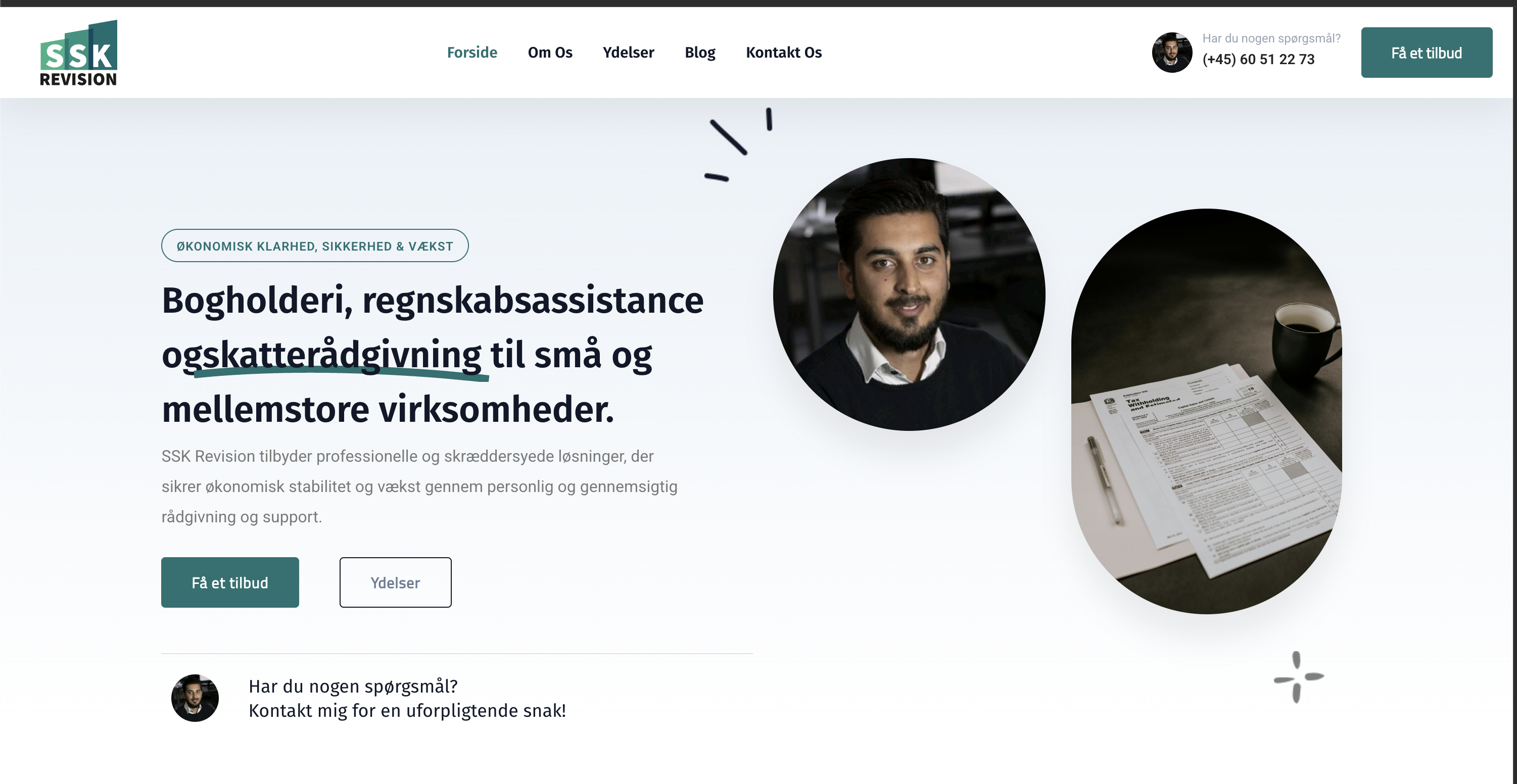
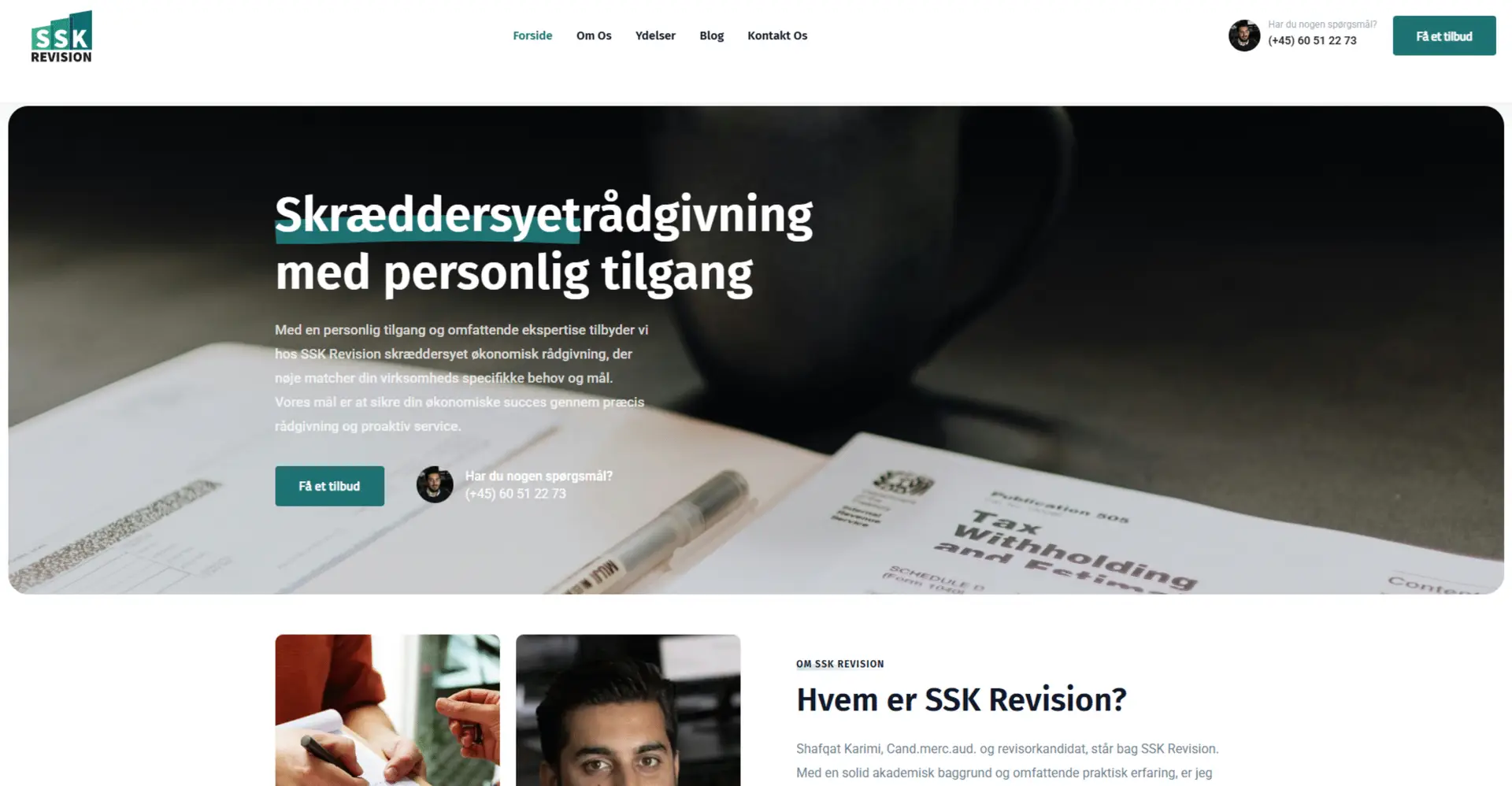
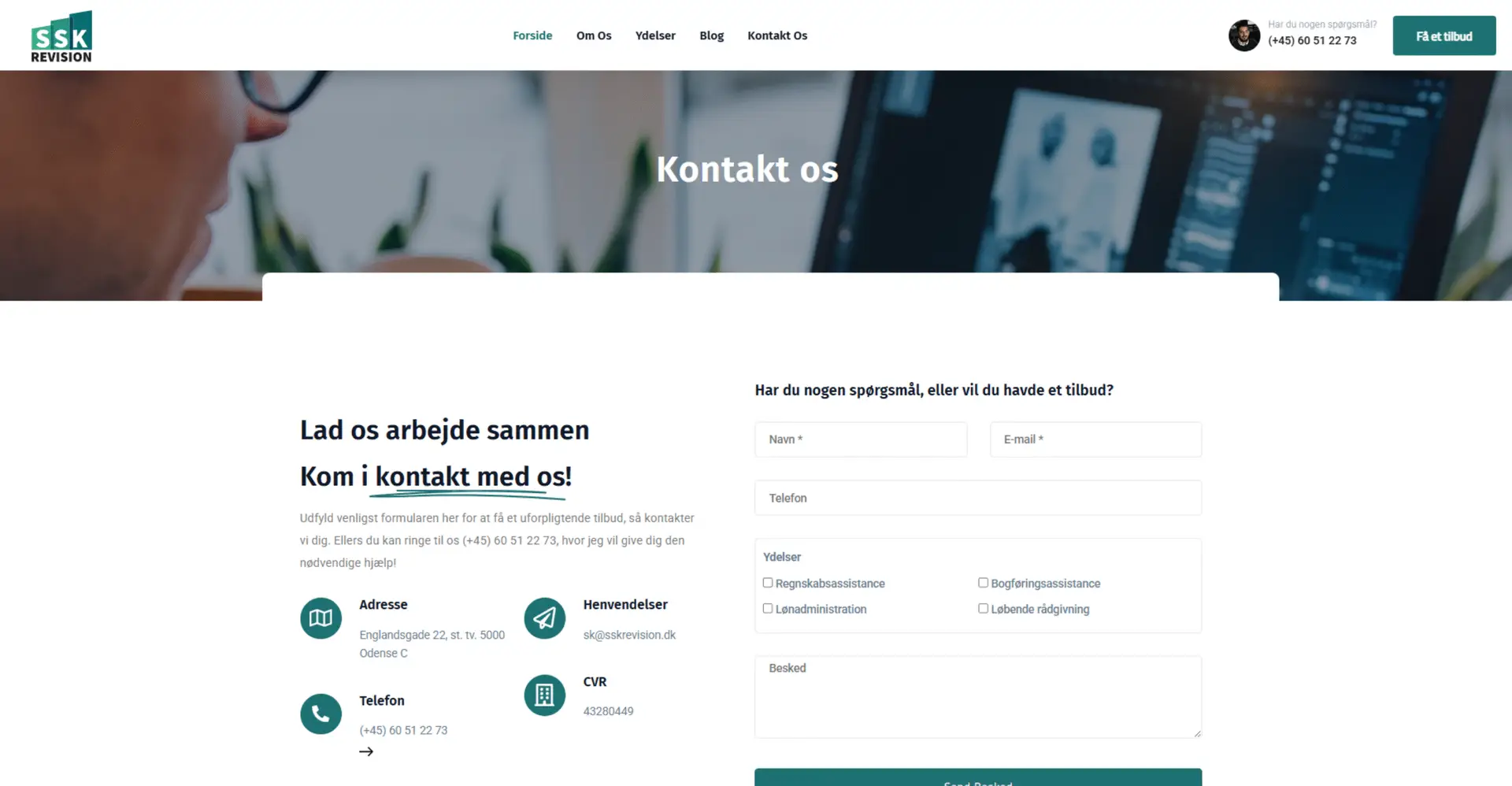
We rebuilt the site for clarity and professionalism: clean information architecture, service pages that spell out scope, pricing cues, and FAQs, plus visible credentials (cand.merc.aud., certifications, insurances) and client testimonials. A mobile-first “Request a proposal” flow shows industries and service bundles up front, then captures only essential details to minimise friction. Sticky CTAs & click-to-call’s. We expanded local SEO with city/area landing pages and structured data; rebuilt Google Business Profiles; and implemented GA-FOUR + server events to track every step from visit to booked consultation. Performance tuning (image pipelines, script trimming, Core Web Vitals) made pages feel instant on mobile, where most enquiries start.
The new experience projects authority and removes guesswork, so prospects move from curiosity to contact without friction. Clear service breakdowns reduce back-and-forth, visible credentials build trust at the moment of decision, and a one-minute form lifts completion on mobile. Local search visibility now captures more high-intent queries across target areas, while clean analytics shows exactly which pages and campaigns produce profitable engagements. The result is steadier inbound demand, higher-quality consultations, and a pipeline the firm can plan around.